
MOSQUITO FACTS
Female mosquitoes have a preference for certain blood types. Type O is their favorite because their saliva can thin it more effectively, allowing them to get a full blood meal.
Mosquitoes are lazy, cannot fly very far, and typically live within yards of where they were hatched.
Males stay within 10–15 feet of where they were hatched, feeding on the underside of vegetation while waiting for females to fertilize their eggs. Swarms of male mosquitoes are commonly confused with gnats.
Only female mosquitos bite.
A female mosquito spends most of her life resting in shaded areas on the underside of vegetation, feeding on nectar.
When a female mosquito detects carbon dioxide and body heat, she seeks out a blood meal, which provides the nutrients needed to lay 100–300 fertilized eggs at a time. Depending on species, she may repeat this process up to 10 times during her life cycle.
After a female mosquito acquires a blood meal, her offspring can multiply rapidly. Under ideal conditions, one female can contribute to more than 45,000 mosquitoes by the second generation, over 6 million by the third generation, and more than 1.3 billion by the fourth generation.
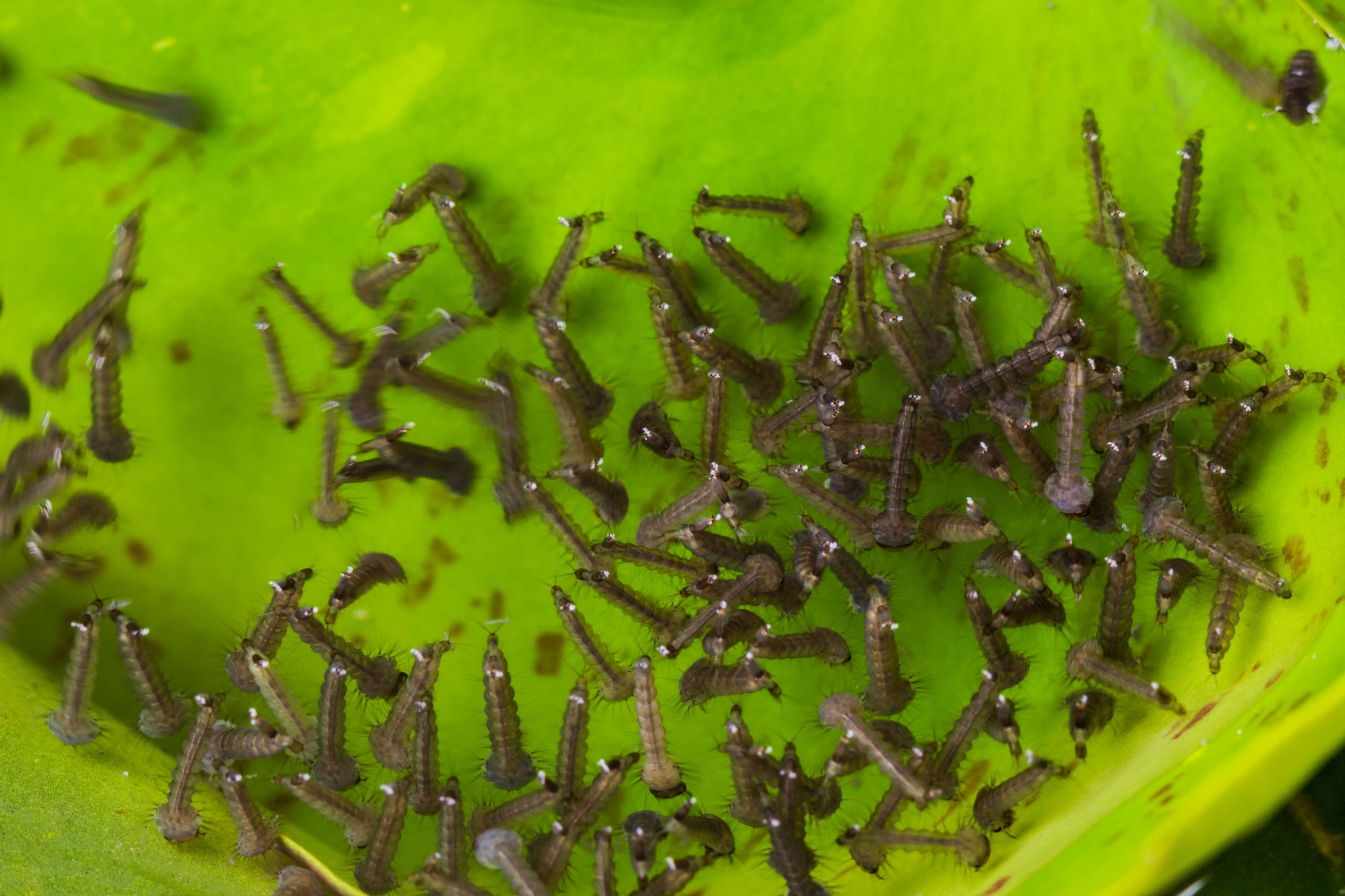
A bottle cap full of water can hold 100 mosquito eggs or more.
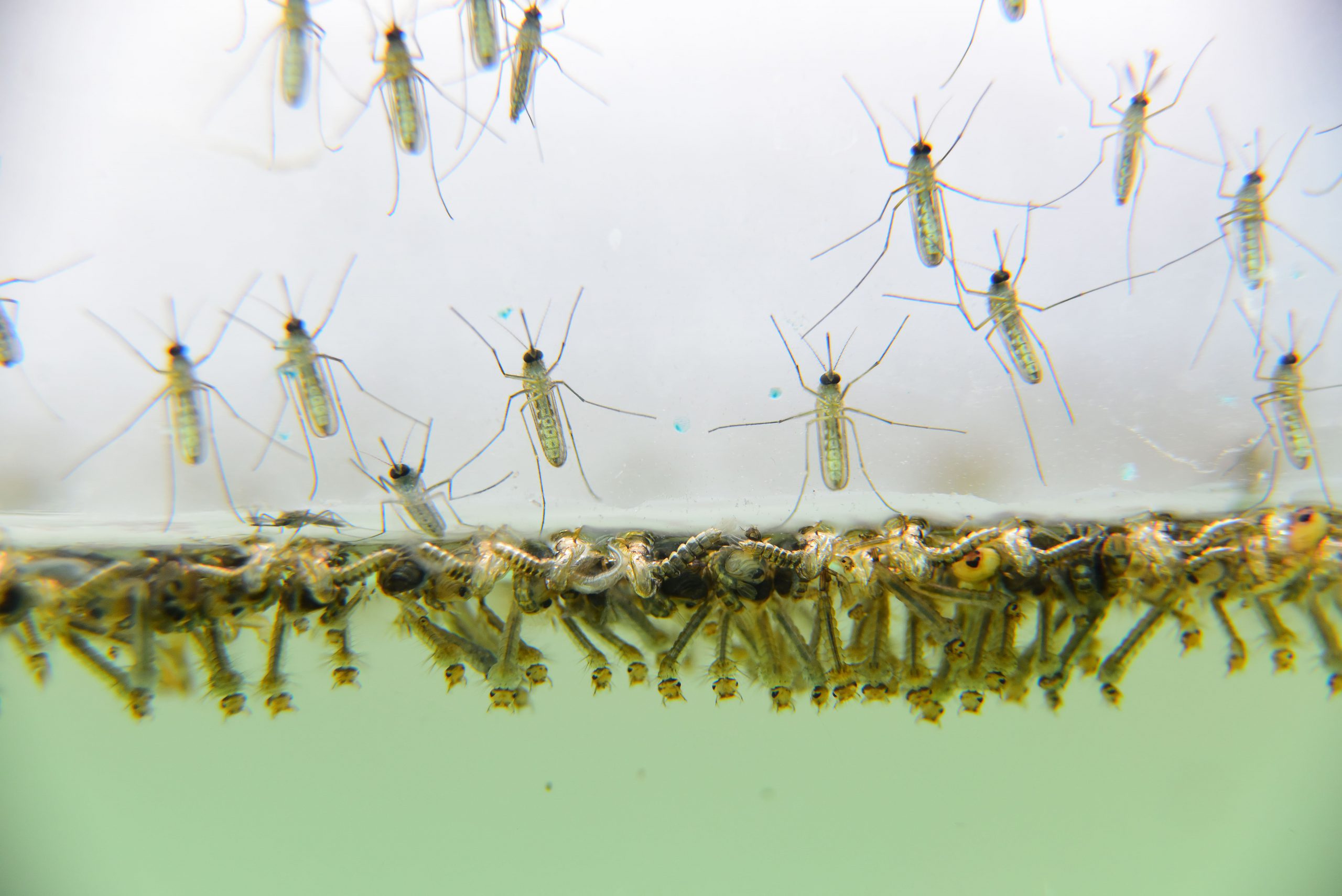
The warmer the water, the faster the mosquito larva hatch and develop.
Female mosquitoes lay their eggs in standing water or along the edges of standing water.
Mosquitoes are considered the deadliest animals in the world, responsible for more human deaths each year than any other animal due to the diseases they can transmit.
Pregnant women are often more prone to mosquito bites because they tend to have a higher body temperature and produce more carbon dioxide.
Since 1970, the MMCD (Metropolitan Mosquito Control District) has reported that approximately two-thirds of all LAC (La Crosse Encephalitis) cases—primarily affecting children—have originated from the Lake Minnetonka and eastern Carver County area.